How Reliable Are Kia Transmissions?
September 21, 2026
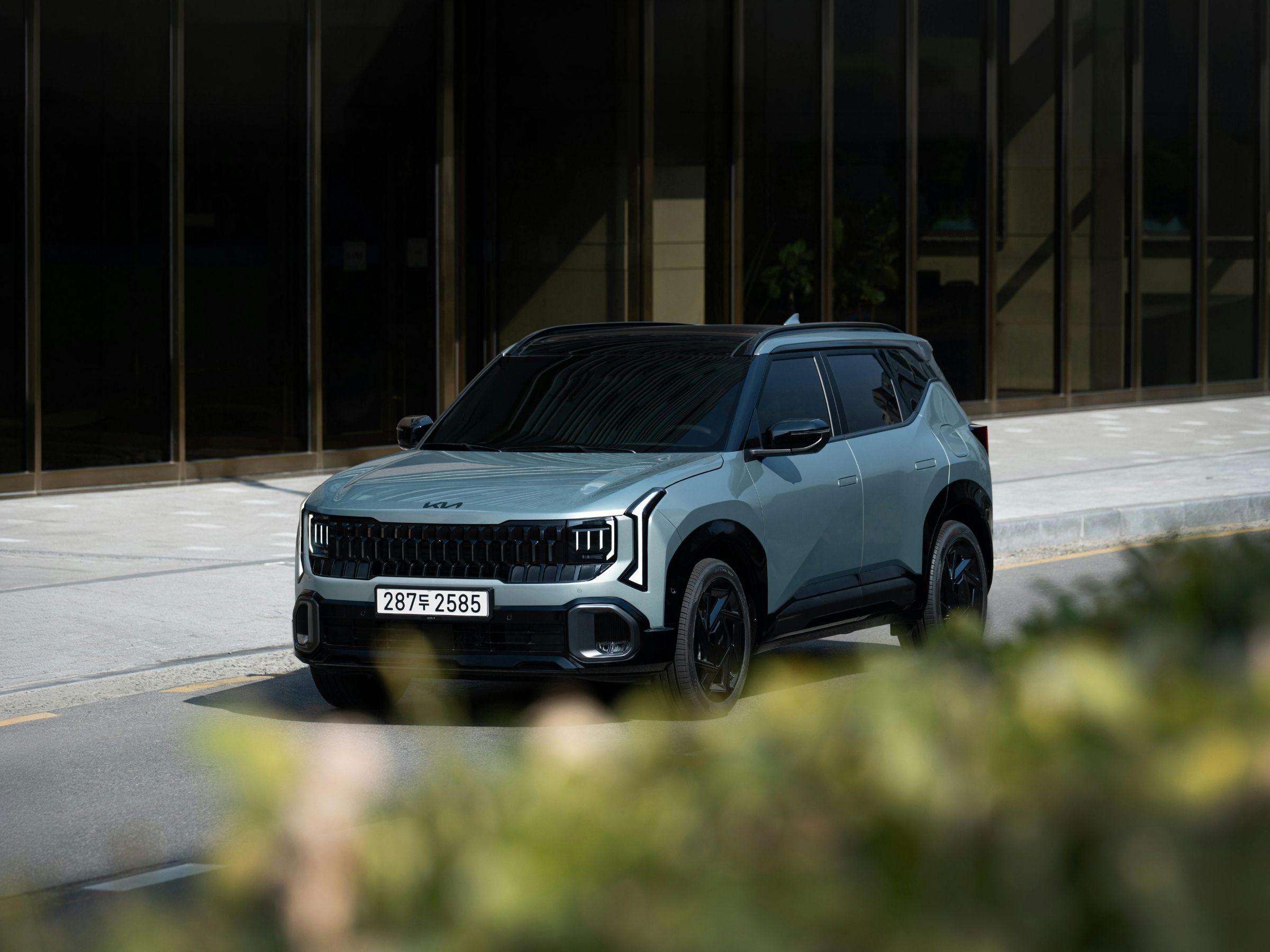
Kia has come a long way over the past decade or so. The brand has moved from budget-friendly basics to genuinely well-regarded vehicles, and the transmission technology fitted to modern Kia models reflects that shift. But with that range of technology comes variety, and not every Kia transmission behaves the same way. If you’re driving a Kia, researching one, or simply wondering why yours feels a little off lately, here’s what you need to know.
What Types of Kia Transmissions Are Out There?
Before getting into reliability, it helps to understand what’s actually fitted to these vehicles. Kia transmissions fall into a few broad categories:
- Torque-converter automatics (6-speed and 8-speed): the traditional style of automatic gearbox found across a wide range of Kia models.
- Dual-clutch transmissions (DCT): a newer design that uses two separate clutches to pre-select the next gear for faster gear shifting.
- IVT (Intelligent Variable Transmission): Kia’s chain-driven take on a CVT, fitted to some 2.0-litre models.
- Manual transmissions: 5- and 6-speed units in smaller and more affordable models.
Each type comes with its own strengths, and its own things to watch out for.
Kia’s Conventional Automatics: Generally Solid
The 6-speed torque-converter automatic found in many Kia models has built up a reliable reputation over the years. It’s a fairly conventional design, and when owners keep up with fluid changes using the correct SP-IV transmission fluid, these gearboxes tend to last well.
The 8-speed automatics fitted to newer versions of the Kia Sorento, Kia Carnival, and Kia Sportage diesel offer smoother low-speed performance than their predecessors and haven’t attracted major recall attention in Australia to date.
That said, heat is a genuine concern. Perth summers push transmission fluid temperatures higher than in cooler climates, and heavy stop-start traffic compounds that. We recommend more proactive fluid changes than the manufacturer’s standard interval, particularly for Perth drivers doing a lot of city commuting. Getting fresh fluid through the system every 40,000 km keeps things running as they should.
Common Kia DCT Transmission Problems
This is where the conversation gets a bit more involved. Dual-clutch transmissions offer impressive performance on the open road, with quick shifts and a responsive feel during acceleration. The trade-off is their behaviour in slow traffic.
The dry-clutch 7-speed DCT fitted to models like the Kia Seltos 1.6 turbo and earlier Kia Stonic petrol variants is particularly prone to this. Drivers often report a shudder or hesitation when crawling in bumper-to-bumper traffic, reversing into a driveway, or making low-speed manoeuvres. This jerkiness tends to feel out of place in what is otherwise a smooth car, and it catches a lot of owners off guard.
It’s not a fluke. DCTs work differently from traditional automatics. They don’t rely on a torque converter to slip smoothly at low speed; instead, they use dry clutch plates that struggle with the kind of slow, controlled engagement that everyday driving in urban Perth demands.
One practical note: if your Kia displays a transmission overheating warning, the Kia dual-clutch transmission overheating message in the owner’s manual recommends allowing the vehicle to cool before continuing. This is especially relevant for WA drivers doing beach runs to Lancelin or weekend trips down to Margaret River, where sand driving adds extra strain on the clutch packs.
How Do Kia Manual Transmissions Compare?
For drivers who prefer a manual, Kia’s 5- and 6-speed gearboxes fitted to models like the Kia Rio and Kia Stinger have a solid reputation. They’re mechanically straightforward and tend to be durable provided they’re looked after.
Kia manual transmission failures are relatively uncommon and are usually linked to clutch wear from riding the pedal or forcing gear changes. Keeping the gearbox fluid fresh, around every 60,000 km, and having the clutch checked periodically goes a long way. If you’re buying a used Kia with a manual, it’s worth having a specialist check the clutch condition and fluid before committing.
You can read more about our manual gearbox repairs if you’d like to understand what’s involved in keeping a manual healthy.
The IVT: A Quieter Option
Kia’s IVT, fitted to some 2.0-litre variants including certain Seltos and Cerato models, uses a steel chain rather than a traditional belt. Early feedback from Australian owners has been generally positive. It’s a smoother, less intrusive system than a conventional CVT for most everyday driving.
The key is using the correct IVT-2 fluid. Without it, the steel chain can glaze the pulleys over time, and that’s an expensive result to fix.
Warranty and What It Covers
Kia Australia backs its vehicles with a Kia 7-year factory warranty, which extends to the powertrain including the transmission. That’s reassuring cover, particularly if you’re driving a DCT model and want some security around potential repairs.
Worth noting: the warranty requires evidence of scheduled maintenance to remain valid.
If a fault goes beyond what a service can address, we also offer full transmission rebuilds for Kia vehicles.
Keeping Your Kia Transmission in Good Shape
The honest summary is this: Kia transmissions, across most types, are capable units that hold up well when they’re looked after. The conventional automatics and manuals are generally straightforward. The DCTs require a bit more awareness, particularly in urban driving conditions and Perth’s heat.
Booking a diagnostic check if something feels off is always the right call. We don’t guess, we diagnose. Get in touch with our team at Auto Trans R Us and we’ll work out exactly what’s going on.
Frequently Asked Questions
Dry-clutch DCTs aren’t designed for the constant, slow engagement of crawling traffic. The clutch plates struggle at low speed, which produces that characteristic shudder. Software updates from your dealer can help, and if the problem persists, a diagnostic check by a transmission specialist is the right next step.