How Reliable is a Toyota CVT Transmission?
August 24, 2026
Toyota has built its reputation on reliability, so when the brand committed to the continuously variable transmission across most of its passenger car range, it was reasonable to expect those standards to carry over. For the most part, they have. But a Toyota CVT transmission isn’t immune to issues, and in Perth’s climate especially, “set and forget” isn’t a sensible approach.
Here’s what you actually need to know.
What Makes Toyota’s CVT Different?
Most people have heard the criticism of CVTs: that droning engine note, the sluggish feeling when pulling away from the lights. Toyota’s engineers clearly heard it too.
The Direct-Shift CVT (K120/K121), launched in 2018, addressed this directly. Rather than relying solely on a belt and pulley system, it incorporates a physical first gear, sometimes called a launch gear, that handles acceleration from a standstill. Once the vehicle is moving, the belt-type CVT takes over. The result is a ratio spread of 7.5:1 and a fuel efficiency improvement of around 6% compared to the previous generation.
It’s a meaningful step forward. The off-the-line hesitation that frustrated drivers with earlier CVT designs is largely resolved, and the system feels more like a conventional automatic transmission in daily driving.
Real-World Reliability: What the Data Shows
Independent reliability surveys back up Toyota’s reputation here. Consumer Reports has consistently rated the Corolla’s transmission trouble-spot score well above average across the 2014 to 2023 model years, comparing favourably to CVT-equipped competitors from Nissan and Subaru. The J.D. Power 2026 U.S. Vehicle Dependability Study placed Toyota third overall and named the Corolla the segment winner for compact cars, which reflects well on long-term durability.
That said, no system is perfect. In December 2018, Toyota Australia issued a recall affecting approximately 2,640 MY2018 Corolla hatch models fitted with the M20A-FKS 2.0-litre engine, after concerns that the torque converter assembly inside the CVT could fail. Toyota replaced the entire transaxle at no cost to owners.
Importantly, the defect rate was very low relative to total production. And if you purchased a 2018 Corolla secondhand, it’s worth checking with Toyota whether the recall work has already been completed on your vehicle.
For anyone concerned about Toyota CVT transmission problems more broadly, this recall was largely isolated to one engine-and-transmission combination in one model year. It doesn’t reflect a systemic flaw across the range.

Common Toyota CVT Problems and Symptoms
While Toyota’s CVT compares well against other brands, a few patterns are worth knowing about.
Corolla CVT issues in early-generation models (2014 to 2017) occasionally presented as shuddering or hesitation under light acceleration. In the US, some of these vehicles were subject to ECU software updates or CVT replacement under a service campaign. Australian exposure was limited, but it highlights why early-generation CVTs benefit from closer monitoring.
Toyota RAV4 CVT transmission concerns are somewhat different. The RAV4 Hybrid uses a planetary e-CVT, which pairs the petrol engine with electric motors to deliver drive. Reported complaints have generally related to inverter software or a whining noise rather than any mechanical belt failure. There has been no Australian mechanical recall for the RAV4 Hybrid’s transmission to date.
Symptoms to take seriously across any Toyota CVT include:
- Shuddering or vibration during light throttle
- A high, droning engine note at cruising speed
- Hesitation or jerking when pulling away
- Transmission warning lights on the dash
- Slipping sensation when accelerating
If you notice any of these, a proper diagnostic check should be the first step. At Auto Trans R Us, we don’t guess, we diagnose.
Servicing Your Toyota CVT in Perth’s Climate
Here’s something most Toyota owners don’t know: while the owner’s manual often lists CVT fluid as “lifetime,” that classification assumes normal operating conditions. Perth is not normal operating conditions.
Our technicians have recorded CVT fluid temperatures exceeding 115°C during peak-hour driving in Perth summer. Road surface temperatures in January and February regularly push past 50°C, which accelerates fluid oxidation and can cause seal shrinkage over time. The stop-start nature of Mitchell Freeway commuting compounds this, placing additional strain on the valve body and other internal components.
For WA drivers, we recommend CVT fluid inspection every 40,000 kilometres, with replacement by 60,000 kilometres at the latest. The general industry recommendation sits between 60,000 and 90,000 kilometres, but Perth’s climate pushes that interval forward.
Our Toyota transmission specialist team services all Toyota CVT models, including the Corolla, C-HR, Yaris Cross and Corolla Cross. Whether you need a routine CVT fluid change service or a full diagnostic check, we have the equipment and the experience to assess your transmission accurately.

Toyota Models That Don’t Use a CVT
Not every Toyota uses a CVT, and for some drivers, that matters. If you’re opting for a ute, a serious 4WD, or a performance model, you’re in luck.
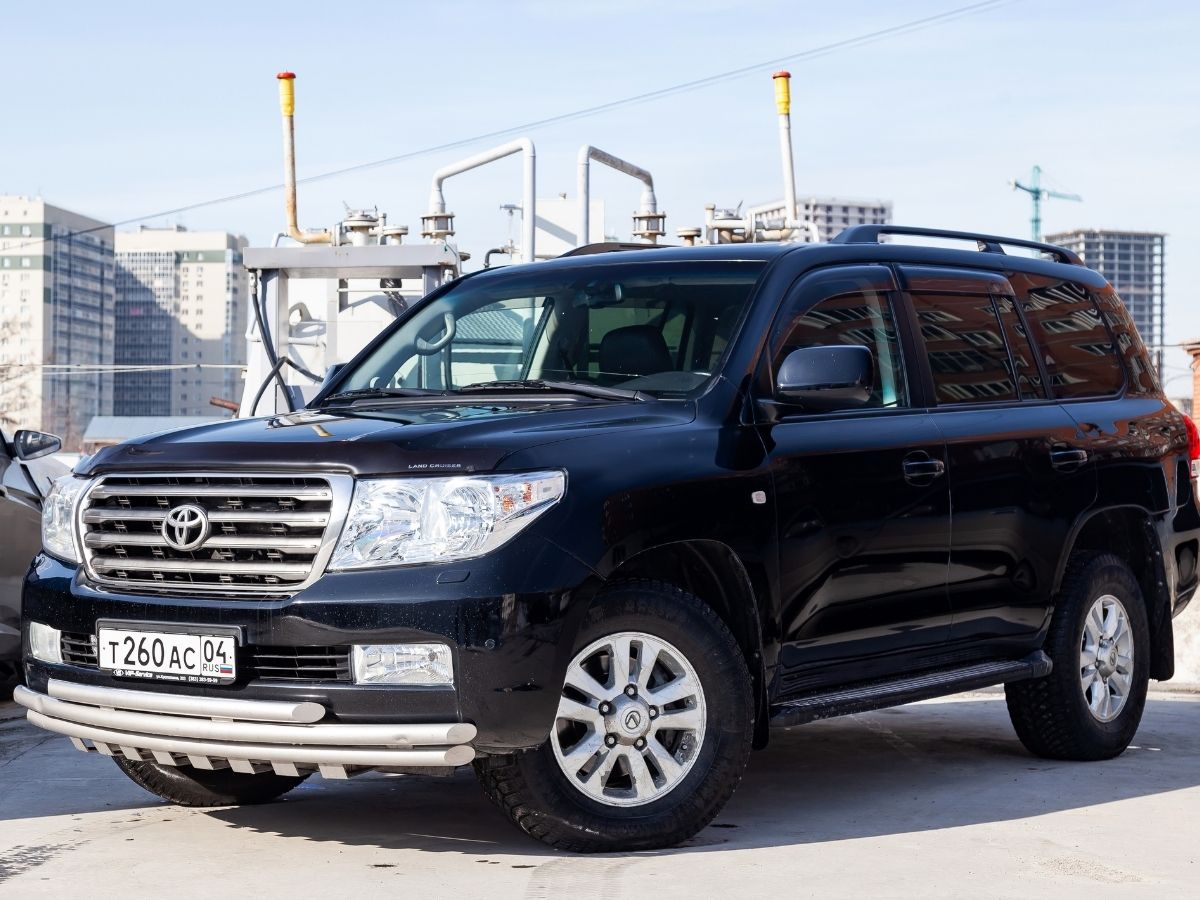
The HiLux, LandCruiser, Fortuner, GR 86 and Supra all use torque-converter automatics or manual transmissions. These are traditional setups that many drivers, particularly those towing or heading off-road, prefer. For those researching Toyota cars without CVT, these models represent the core of Toyota’s non-CVT lineup in Australia.
If you’re driving a Prius or RAV4 Hybrid, the e-CVT is a different beast entirely. It uses planetary gear sets and electric motors rather than a belt and pulley arrangement, and its behaviour and service requirements differ accordingly.
Frequently Asked Questions
Generally, yes. Toyota’s CVT scores consistently above the industry average in long-term reliability surveys, outperforming CVT-equipped vehicles from several other manufacturers. The Direct-Shift CVT in particular is a more refined design than many belt-type CVTs on the market.